

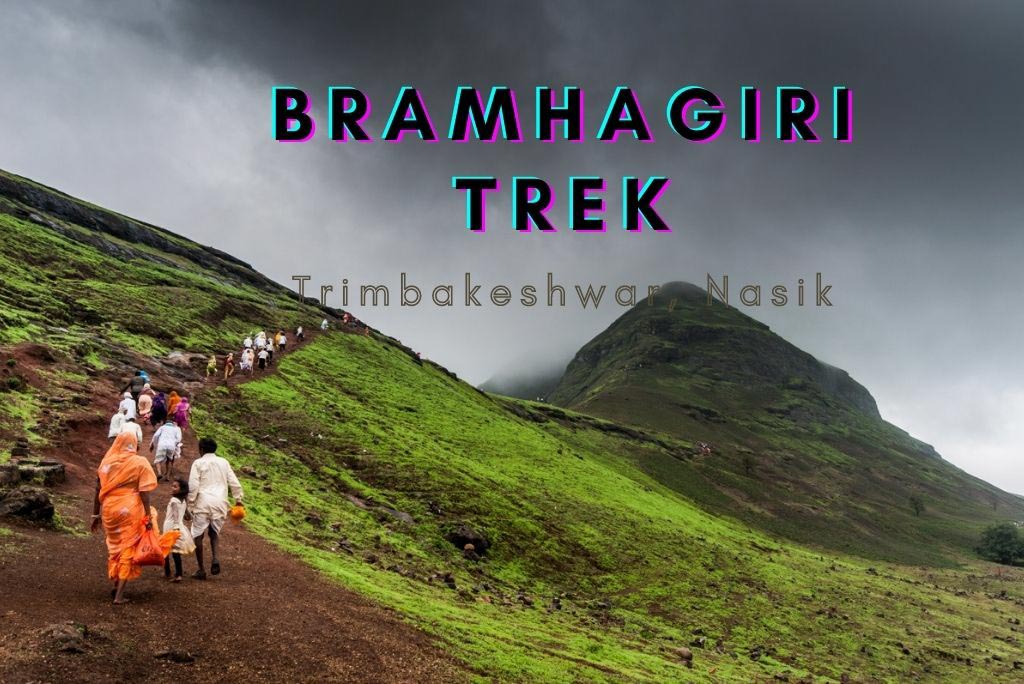
Brahmagiri Trek, Trimbakeshwar – Complete Visitor & Photography Guide
Introduction: Where Mythology Meets the Mountains
The Brahmagiri Hill trek is not just another Sahyadri climb—it’s a journey through mythology, history, and dramatic landscapes.
Located near the sacred Trimbakeshwar Temple, one of the 12 Jyotirlingas, Brahmagiri is believed to be the origin of the Godavari River.
For trekkers, it offers:
- Stone steps carved into the mountain
- Fort-like structures and viewpoints
- Expansive Sahyadri landscapes
For photographers, it’s a mix of:
- Geometry (steps and walls)
- Atmosphere (mist, clouds, light)
- Human + spiritual storytelling
Why Brahmagiri Trek is Unique
Unlike remote wilderness treks, Brahmagiri combines:
- Spiritual significance
- Structured ascent (steps instead of trail)
- Panoramic Sahyadri views
It’s accessible—but not easy.
And the experience changes drastically with seasons.
Trek Overview
- 📍 Location: Trimbakeshwar, near Nashik
- 🥾 Difficulty: Easy to Moderate
- ⏱ Duration: 2–4 hours (up & down)
- 🪜 Terrain: Stone steps + gradual inclines
Best Time to Visit Brahmagiri
🌿 Monsoon (July–September) – MOST DRAMATIC
- Lush greenery
- Mist and clouds
- Water streams
⚠️ But:
- Slippery steps
- Low visibility
🍂 Post-Monsoon (October–February) – BEST OVERALL
- Clear views
- Pleasant weather
- Ideal for photography
☀️ Summer (March–June)
- Harsh sunlight
- Dry landscapes
- Less recommended
Best Time of Day
🌅 Early Morning (BEST)
- Soft light
- Fewer crowds
- Cooler temperature
🌇 Late Afternoon
- Golden light
- Scenic views
⚠️ Avoid Midday
- Heat + harsh light
- Exhausting climb
What You Will Experience
The trek begins near the temple town and gradually rises through:
- Stone stairways hugging the hillside
- Fort-like gateways
- Open viewpoints overlooking valleys
As you climb higher:
- The air gets cooler
- Views expand dramatically
- Silence replaces crowd noise
At the top, you’ll find:
- Sacred spots
- Panoramic Sahyadri ridgelines
- A sense of stillness
Practical Visitor Guide (Important)
✔️ Do’s
- Start early
- Carry enough water
- Wear good trekking shoes
- Take breaks while climbing
- Respect the religious significance
❌ Don’ts
- Don’t rush the climb
- Don’t litter
- Don’t wear slippery footwear
- Don’t ignore weather conditions
🎒 What to Carry
- Water (essential)
- Light snacks
- Cap / sunscreen
- Rain protection (in monsoon)
⚠️ Safety Tips
- Steps can be slippery in monsoon
- Railings may not always be present
- Avoid overcrowded edges
What Most Visitors Don’t Realize
1. It’s More Physical Than It Looks
Climbing continuous steps can be tiring.
2. Weather Changes Quickly
Especially in monsoon—visibility can drop fast.
3. It’s Spiritually Active
Many pilgrims visit—be respectful.
Photography Guide for Brahmagiri Trek
This trek offers a powerful mix of landscape + structure + human elements.
Why Brahmagiri is Great for Photography
You get:
- Leading lines (steps)
- Depth and perspective
- Changing weather moods
- Human scale within landscape
📷 What to Focus On
1. Geometry & Leading Lines
- Steps disappearing into mist
- Symmetrical pathways
2. Human Element
- Pilgrims climbing
- Silhouettes against sky
3. Landscape Views
- Sahyadri ridges
- Valley depth
- Cloud formations
🎯 Composition Tips
- Use steps as leading lines
- Shoot low angles for depth
- Frame people within architecture
- Use mist for layering
⚙️ Gear Recommendations
- 24–70mm (main lens)
- Wide angle for landscapes
- Lightweight setup
💡 Light Strategy
- Morning → soft, diffused light
- Monsoon → dramatic mist
- Evening → golden highlights
⚠️ Ground Reality
- You’ll be moving constantly
- No stable shooting base
- Changing light conditions
So:
👉 Shoot quickly
👉 Anticipate light
👉 Stay flexible
Ethical Photography
- Respect pilgrims and rituals
- Avoid intrusive portraits
- Don’t block pathways
- Be mindful in sacred spaces
Pro Tips (From Experience)
- Pause often—don’t just climb
- Look back while ascending (best views!)
- Use weather creatively
- Shoot both wide and tight frames
Common Mistakes Photographers Make
- Ignoring human elements
- Shooting only wide landscapes
- Visiting at wrong time of day
- Carrying heavy gear
The best images here are about depth and journey—not just the summit.
Final Thoughts
The Brahmagiri Trek is not just about reaching the top.
It’s about:
- The climb
- The atmosphere
- The shifting light
- The stories along the way
If you approach it with patience, it offers a powerful combination of spirituality, landscape, and storytelling.
This is not just a trek you complete.
It’s a journey you experience and document.
Bramhagiri Fort in Nashik, India, is a historic landmark with a rich and fascinating history dating back to ancient times. From its strategic location to its role in various battles and conflicts, this fort has played an important role in the region's history. Join us as we explore the story behind Bramhagiri Fort.
Introduction to Bramhagiri Fort and its significance.
Bramhagiri Fort is a historic landmark located in Nashik, India. It is situated on a hilltop and offers stunning views of the surrounding landscape. The fort has a rich history dating back to ancient times and has played an important role in the region's history. From its strategic location to its involvement in various battles and conflicts, Bramhagiri Fort is a fascinating piece of history that is worth exploring.
Monsoon brings lots of opportunities for trekking in Maharashtra. There are so many treks that you can do during the monsoon. All the places look very green with the carpet of dense vegetation on the mountains.
It also rains heavily but that's fun - to get drenched in the rain and keep walking.
Brahmagiri near Trimbakeshwar, Nasik is one such place. Brahmagiri is a source of river Godavari which is the lifeline for people of Maharashtra and Andhra. In India, every river is worshipped and is personified as a God. The place of origin of the river is particularly considered to be very holy.
I remember going to the origin of the river Ganga, which is called the Gaumukh. It was another great experience after walking 17 kilometers in the mountains.
Trimbakeshwar, being one of the twelve Jyotirlinga, is a very popular pilgrimage and is always full of people. If you want to spend some time in peace, this 3-hour trek is very promising.
We reached here early in the morning. After having a great darshan of the Jyotirlinga, we decided to go to Brahmagiri. As usual, it was drizzling. The hill was half-covered with clouds.
As we started, we met so many other people, mostly pilgrims joining for this trek. Many were walking barefoot. Initially, there was a stone path until some time and then it was mostly muddy. At some places, there was a steep climb after stairs.
As we started, the concrete houses began to reduce and being taken over by the green vegetation.
As we climbed up the stairs, we looked down at the city of Trimbakeshwar and try to look at the temple with the powerful zoom of our Handycam.
There were some interesting cave temples, with Shivling inside.
Sometimes the cloud was so dense that the mountain seemed to disappear. at other times the wind was growing so strongly that we thought we would be blown away.
We met two young girls going to the top. We talked to them and came to know that they were flower sellers. go to the top, to the temple every day, sell flowers for a living, and come back in the evening.
We came back by afternoon and then left.
Note: If you want a customized tour anywhere in India focused on Photography, I will be happy to organise it for you.
Video on Trimbakeshwar by Smita
Tips for photographers
- Starting early morning is the best.
- It rains very heavily during the monsoon, to good protection for you and your camera is a must.
- It might be slippery in places, wearing good shoes makes the walk pleasant.
- Though water and snack shops are available on the way, you won't find a place to have lunch. So start early after a heavy breakfast.
Equipment used: Nikon D90 with Sigma 10-20 f/4 lens
Thanksgiving
Thanks to my wife Smita for accompanying me for this trip. It was exhausting but a lot of fun.All rights reserved. No copying without permission of the author Saurabh Chatterjee