

Sant Tukaram Maharaj Palkhi Schedule 2026
| Date | Location / Event |
|---|---|
| 07-Jul | Departure from Dehu, overnight halt at Inamdar Wada |
| 09-Jul | Reaches Pune, halt at Nanapeth |
| 11-Jul | Proceeds to Loni Kalbhor |
| 16-Jul | Arrival at Katewadi, Goat & Sheep Ringan |
| 20-Jul | Niravsamadhi & Gol Ringan at Akluj |
| 24-Jul | Arrival in Pandharpur |
| 25-Jul | Ashadhi Ekadashi Darshan |
| 29-Jul | Return journey begins |
Sant Dnyaneshwar Maharaj Palkhi Schedule 2026
| Date | Location |
|---|---|
| 08-Jul | Alandi Departure (8 PM) |
| 09–10 Jul | Pune halt |
| 11–12 Jul | Saswad |
| 13-Jul | Jejuri |
| 14-Jul | Valhe |
| 15-Jul | Lonand |
| 16-Jul | Taradgaon |
| 17-Jul | Phaltan |
| 18-Jul | Barad |
| 19-Jul | Natepute |
| 20-Jul | Purandawade |
| 21-Jul | Barapur |
| 22-Jul | Bhandishegaon |
| 23-Jul | Wakhari |
| 24-Jul | Arrival in Pandharpur |
See my pictures of Pandharpur Wari in better resolution here.
Pandharpur Wari Festival, Maharashtra – Complete Photography & Visitor Guide
Introduction: A Journey of Faith and Devotion
Every year, lakhs of devotees known as Warkaris walk for days—sometimes weeks—towards Pandharpur to seek blessings of Vithoba.
They walk in organized groups called dindis, singing abhangs, playing instruments, and carrying palkhis (palanquins) of saints like Sant Tukaram and Sant Dnyaneshwar.
For a visitor or photographer, this is not just a visual spectacle—it is a deeply human, spiritual, and documentary-rich experience.
What is the Pandharpur Wari?
The Wari is an annual pilgrimage culminating on Ashadhi Ekadashi, where devotees reach Pandharpur after walking long distances from places like:
- Dehu (Sant Tukaram’s palkhi)
- Alandi (Sant Dnyaneshwar’s palkhi)
What makes it unique:
- Thousands walking together in rhythm
- A strong sense of equality and community
- Devotion expressed through music, movement, and discipline
This is not chaotic like many festivals.
It is organized devotion in motion.
Best Time to Experience the Wari
📅 Key Period
- 15–20 days before Ashadhi Ekadashi
- Final days in Pandharpur are extremely crowded when both teams merge.
🕒 Best Time of Day
🌅 Early Morning (BEST)
- Soft light
- Fresh energy
- Ideal for photography
🌇 Late Afternoon / Evening
- Warm tones
- Emotional depth
- Slower pace
⚠️ Peak Day in Pandharpur
On Ashadhi Ekadashi:
- Extremely dense crowds
- Limited mobility
- Difficult photography conditions
Where to Experience the Wari
1. On the Route (Highly Recommended)
Experience the Wari on highways or village roads as palkhis move.
👉 Best for:
- Clean compositions
- Interaction with Warkaris
- Documentary storytelling
2. Villages Along the Route
- Intimate settings
- Cultural depth
- Slower pace
3. Pandharpur (Final Destination)
- Massive energy
- Dense crowds
- Emotionally intense
What You Will Experience
This is not a spectacle—it’s a living tradition.
You will witness:
- Warkaris walking barefoot for miles
- Group singing (abhangs)
- Discipline and rhythm in movement
- Acts of kindness and shared meals
Unlike other festivals, there is calm within the crowd.
Practical Visitor Guide (Essential)
✔️ Do’s
- Wear comfortable walking shoes
- Carry rain gear for yourself and your camera
- Carry a hat / cap, it can get very hot and sunny
- Carry water and basic essentials
- Respect the walking rhythm of Warkaris
- Engage politely if interacting
❌ Don’ts
- Don’t treat it like a tourist event
- Don’t interrupt processions
- Don’t push or rush
- Don’t block palkhi movement
🧭 Travel Tips
- Stay flexible—routes can change
- Use local guidance
- Plan accommodation in advance
🧴 Health & Comfort
- Heat can be intense
- Carry sun protection
- Stay hydrated
What Most Visitors Don’t Realize
1. It’s About the Journey, Not Destination
The real experience is on the road—not just Pandharpur.
2. It’s Highly Disciplined
Despite large numbers, movement is organized and rhythmic.
3. It’s Emotionally Subtle
Unlike dramatic festivals, emotions here are quiet and deep.
Photography Guide for Pandharpur Wari
This is one of the best documentary photography opportunities in India.
Why This Festival is Unique for Photography
You get:
- Repetition and rhythm
- Strong human stories
- Cultural continuity
- Minimal visual clutter (on routes)
It’s less about chaos, more about consistency and depth.
📷 What to Focus On
1. Human Stories
- Faces of Warkaris
- Expressions during singing
- Moments of rest and connection
- Pure devotion
2. Movement & Rhythm
- Walking lines
- Repetition of patterns
- Group formations
3. Details
- Feet covered in dust
- Instruments
- Hands in prayer
🎯 Composition Tips
- Use leading lines of walking groups
- Shoot low angles for depth
- Frame palkhis within crowds
- Look for symmetry and repetition
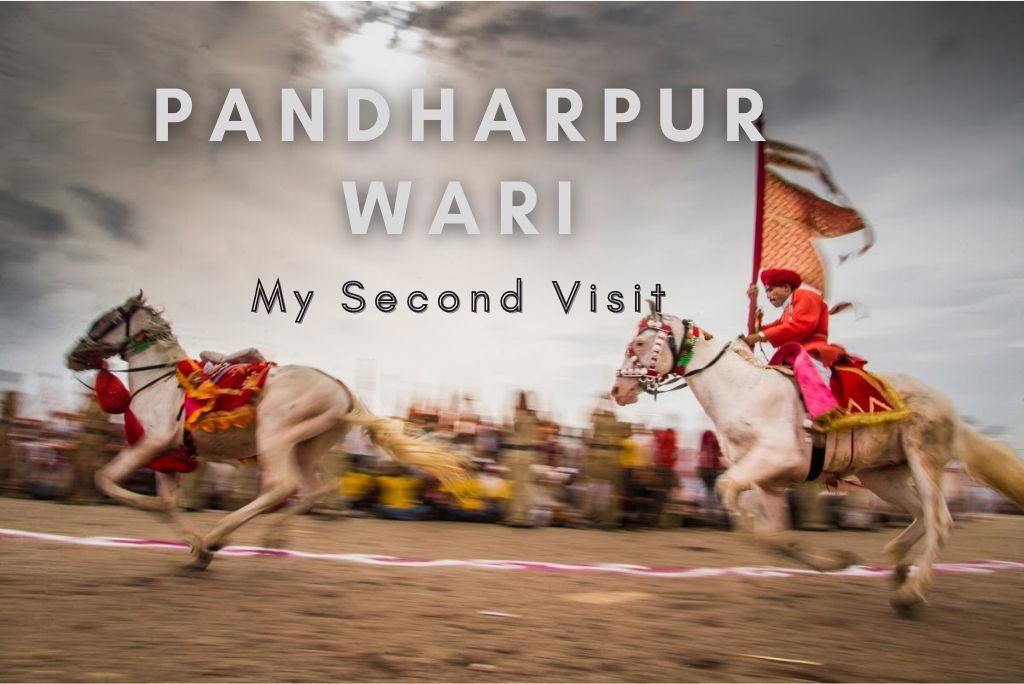
- Panning shots also work well with the moving horses and people
⚙️ Gear Recommendations
- 35mm / 50mm for storytelling
- 24-70 for most kind of pictures
- 70–200mm for layered shots
- 15-30mm also helps at times if you want to capture in tight spaces
- Keep gear lightweight as there is a lot of walking involved
⚠️ Ground Reality
- You will walk a lot
- Subjects are constantly moving
- You can’t stop or control scenes
So:
👉 Walk with them
👉 Observe patterns
👉 Anticipate moments
Ethical Photography (Very Important)
- Always be respectful
- Ask through gestures when possible
- Avoid intrusive close-ups
- Don’t disrupt devotional moments
Remember:
You are documenting faith in motion—not directing it.
Pro Tips (From Experience)
- Stay with one dindi for deeper storytelling
- Document the everyday life of the warkaris
- Walk alongside, not against the flow
- Take breaks and observe before shooting
- Look for quieter moments—not just action
Common Mistakes Photographers Make
- Only shooting wide crowd shots
- Ignoring individual narratives
- Rushing through locations
- Not engaging with subjects
The best images come from connection, not distance.
Final Thoughts
The Pandharpur Wari is not dramatic in an obvious way.
It is:
- Rhythmic
- Deep
- Human
It teaches you patience—both as a visitor and a photographer.
If you slow down and immerse yourself, you’ll come back with more than images.
You’ll come back with stories of devotion, resilience, and shared humanity.
---
If you want to photograph festivals like this with deeper understanding and guidance:
- Join my festival photography experiences in India
- Or get in touch for guided documentary photography sessions
Thanks to all my participants of my Photography Tours in India
This was my second visit to Pandharpur Wari. You can read about my first trip here.
Pandharpur Yatra is observed on Aashad Ekadashi (months of June / July) by millions of people who walk for 21 days covering a distance of more than 250kms from Alandi and Dehu.
We reached there early morning to Solapur and took a car to Pandharpur and beyond, where the Ringen would be for that day.
We landed at a big stretch of ground. There were trucks parked with people inside. These trucks are used as caravan for the trip.
Where there is demand, there is supply. There were local sweets being prepared; they looked delicious.
Thousands of people called ‘Varkari’ reach Pandharpur from Alandi or Dehu after walking for about 250kms in Aashad (a hindu month which coincides with June/ July) Ekadashi (11th day of the moon). They walk with palkhis (chariots) carrying paduka (sandals) of the saints singing sacred songs.
Hot rotis are being prepared for the group.
Superstitious people, when sick think that someone has given them a ‘buri nazar’ (literally bad look) and these ‘ojhas’ (people who can drive away the evil) go through this process with neem leaves to cure.
You will see a lot of people with their orange flags marching singing devotional songs of Mauli.
One of the palki carrying the Lord.
Lot of women carry basil plants on their heads for 20 days during the entire stretch of the walk of 250kms.
Catching up with the world reading the newspaper.
While some people spend time reading religious texts, others take a nap to rejuvenate.
A well decorated bull which is considered auspicious moves around blessing people while its owner plays his flute.
The blessing… I was a bit scared to see this, but the people were used to this practise I guess.
These people doing stunts are always in watch of places where there are large gatherings. It was sad to see how the little girl was doing this to earn money for his family.
Some portraits on the way…
One thing very nice to see is the traditional folk dance “fugdi” being performed by all.
The leader of the palkhi wearing a special attire and hat so that he can be seen by all.
Lady with Basil plant walking all the way.
As we were watching the palkhis, there was one man who started doing stunts with a horse.
We met these tribal people with very different attire (not sure where they were from). They looked like Lambadis but were speaking Marathi.
Phugdi dance has a religious significance during this yatra and after performing people touch each others feet as a mark of respect.
These people called Vasudev belong to a nomadic tribe seen in Maharashtra. They roam around temples, villages and cities singing songs of Krishna. They wear a distinctive hat made of peacock feathers and dhoti, the traditional men’s wear.
More women performing phugdi
And then came these human horses.
The singing and dancing continued.
Even the kids were full of energy running with the flags.
It was extremely hot. We sat at one place for more than 5 hours waiting for the ringen ceremony to happen. We could not move as someone else would take the first row which we occupied. These people took a break from singing having ice creams to cool them.
Other enthusiastic people started doing more stunts.
This couple used a white dhoti to cover them from the scorching sun.
Everyday, there is a designated place where these people stop. As the people reach their destination for the day, they get rejuvenated.
This dedicated son was carrying his parents on all the way to Pandharpur. Hats off.
The Phugdi continued, this time with the police-women.
Waiting for the show to start…
And the show begins…
These horses are believed to carry the gods. It was indeed a dramatic show.
The show ended and it was time to go ahead… to Pandharpur.
The ocean of people heading towards Pandharpur.
Making money is art and working is art and good business is the best art.
-Andy Warhol
How this man anticipated the demand and provided the supply is worth noting. There is always an opportunity, we just need to grab it.
It was a long day but indeed a very exciting one.
Tips for photographers
Best Photography Locations Along the Pandharpur Wari Route
If you are planning to photograph the Wari, choosing the right location is more important than timing.
Here are the most powerful spots:
📍 Dehu (Start of Tukaram Palkhi)
- Emotional beginning of the journey
- Devotees gathering, preparations
- Clean compositions before crowd builds
👉 Best for:
- Storytelling beginnings
- Portraits with context
📍 Alandi (Start of Dnyaneshwar Palkhi)
- Spiritual intensity
- Evening departure creates dramatic light
👉 Best for:
- Low-light documentary shots
- Ritual-focused storytelling
📍 Pune (Urban + Tradition Contrast)
- Unique mix of city and devotion
- Dense but visually layered
👉 Best for:
- Urban storytelling
- Juxtaposition shots
📍 Saswad & Jejuri Stretch (Highly Recommended)
- Open landscapes
- Long walking formations
- Beautiful light
👉 Best for:
- Wide compositions
- Leading lines of Warkaris
- Dust + light storytelling
📍 Lonand to Phaltan Route
- Rural Maharashtra at its best
- Less crowded, more intimate
👉 Best for:
- Interaction shots
- Daily life moments
- Slow documentary work
📍 Akluj (Ringan Ceremony – MUST SHOOT)
- One of the most dynamic rituals
- Circular movement of devotees
👉 Best for:
- Action shots
- High-energy storytelling
- Unique compositions
📍 Wakhari (Before Pandharpur)
- Emotional build-up before arrival
- Anticipation and devotion peak
👉 Best for:
- Emotional portraits
- Narrative climax
📍 Pandharpur (Final Destination)
- Massive scale
- Intense devotion
👉 Best for:
- Crowd storytelling
- Final journey moments
⚠️ But:
- Extremely crowded
- Harder for clean compositions
💡 Pro Strategy (This Is What Most People Miss)
Instead of chasing the entire route:
👉 Pick 2–3 locations maximum
👉 Stay longer
👉 Build a story
This is what separates:
- Random photos
vs - A strong documentary series
Read about my first visit to Pandharpur Wari with all Information and Pictures HERE
Thanksgiving
Thanks a million to Deepthi Ghalke for organizing the trip and motivating me to go again. Thanks to you all for reading this.Must Read these links if you need Information on Festivals
Jejuri Bhandara Festival: Complete Photography & Visitor Guide (Maharashtra)
Kulasai Dussehra Festival: Complete Photography & Visitor Guide (Kulasekarapattinam)
Ganpati Visarjan Mumbai - A Photographers Guide
Best Places for Landscape Photography in India
Join My Spiti Photography Tour
Join My Ladakh Photography Tour
If you want a customized tour anywhere in India focused on Photography, I will be happy to organise it for you.
All rights reserved. No copying without permission of the author Saurabh Chatterjee