
Kumbh Mela Nasik Key Shahi Snan (Amrit Snan) Dates 2027
These are the most auspicious bathing days:
- August 2, 2027: First Shahi Snan (Ashadh Somvati Amavasya)
- August 31, 2027: Second Shahi Snan (Shravan Amavasya)
- September 11, 2027: Third Shahi Snan (Vaishnava - Ramkund, Nashik)
- September 12, 2027: Third Shahi Snan (Shaiva - Kushavarta, Trimbakeshwar)
Kumbh Mela Photography 2027 – A Complete Visual Storytelling & Visitor Guide
Introduction: The Largest Gathering on Earth—Beyond the Obvious Frame
The Kumbh Mela is often described as the largest human gathering in the world.
But scale alone does not define it.
What makes Kumbh truly powerful is the convergence of:
- Faith
- Ritual
- Identity
- Humanity at an unimaginable scale
At the upcoming Kumbh Mela 2027 in Nashik, millions will gather along the sacred banks of the Godavari River.
For photographers, this is not just an opportunity—it is a test of vision:
👉 Can you move beyond obvious crowd shots
👉 And create images that carry depth, emotion, and meaning?
This guide will help you experience—and photograph—Kumbh Mela in a way that goes far beyond the surface.
What is Kumbh Mela?
Kumbh Mela is a cyclical Hindu pilgrimage held at four locations in India. Nashik is one of them.
During the festival, you will witness:
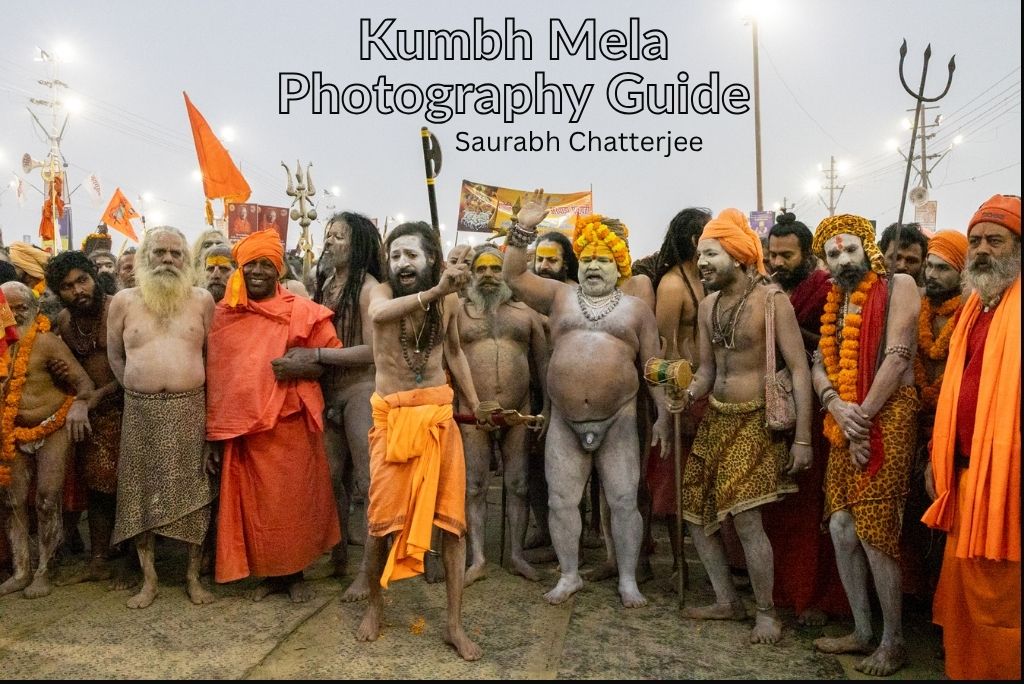
- Sadhus (ascetics) from different akharas
- Pilgrims traveling from across India
- Ritual bathing (Shahi Snan)
- Temporary camps forming an entire spiritual city
It is not just an event.
It is a living, breathing ecosystem of belief.
Why Kumbh Mela is Unique for Photography
1. Scale + Intimacy Together
Millions gather—but the most powerful images are often quiet and personal.
2. Endless Visual Diversity
You can photograph:
- Sadhus and ascetics
- Rituals and bathing
- Camp life
- Portraits and interactions
3. Continuous Activity
There is no single “highlight moment.” (except the shahi snan where you get the same cliqued shots)
The story unfolds constantly.
Best Time to Visit (Strategic Planning)
📅 Key Phases
- Shahi Snan Days → Peak spectacle, extreme crowd density
- Regular Days → Better for storytelling and access
My Previous Kumbh Mela Pictures
See my pictures of Kumbh Mela in better resolution here .
👉 For photographers:
Avoid only focusing on peak days. Have a mix of both
🕒 Best Time of Day
🌅 Early Morning (BEST)
- Ritual bathing
- Soft, diffused light
- Authentic, quiet moments
🌇 Evening & Night
- Camp life
- Fires, conversations, interactions
- Strong storytelling opportunities
⚠️ Peak Day Reality
- Very limited movement
- Security restrictions
- Hard to compose frames
👉 Great for scale, not for depth.
What You Will Experience
Kumbh Mela is overwhelming by design.
You will see:
- Massive processions of sadhus
- Devotees chanting and moving in waves
- Ritual bathing at sunrise
- Temporary settlements filled with life
And then, unexpectedly:
- A quiet conversation in a tent
- A solitary sadhu in reflection
- A moment of stillness in chaos
That contrast is where the real stories are.
Practical Visitor Guide (Very Important)
✔️ Do’s
- Start your day early
- Carry minimal gear
- Stay hydrated
- Follow local authorities and movement flow
- Be patient—everything takes time
- Be ready to walk a lot
❌ Don’ts
- Don’t push against crowd movement
- Don’t treat it like a tourist attraction
- Don’t photograph aggressively
- Don’t block rituals or processions
🧭 Movement Strategy
- Walk with the flow—not against it
- Identify key zones and stay there
- Avoid constant shifting
🎒 What to Carry
- Light backpack
- Water + basic essentials
- Power bank
- Dust protection for gear
⚠️ Safety Tips
- Crowds can get extremely dense
- Keep valuables secure
- Stay aware of exits and open spaces
What Most Visitors Don’t Understand
1. It’s Not About Covering Everything
Trying to “see it all” will ruin your experience.
2. The Best Moments Are Subtle
Not every strong image comes from spectacle.
3. It Requires Physical and Mental Endurance
Long days, constant movement, sensory overload. Have good pair of walking shoes.
Photography Guide for Kumbh Mela
This is where your work can truly stand out.
Why Kumbh is a Photographer’s Dream (and Challenge)
You get:
- Scale and intimacy
- Ritual and emotion
- Chaos and silence
But you also face:
- Unpredictability
- Extreme crowd conditions
- Limited control
📷 What to Focus On
1. Human Stories
- Faces of pilgrims
- Expressions of devotion
- Moments of rest and connection
2. Sadhus & Ascetics
- Portraits with context
- Daily life within camps
3. Rituals
- Bathing sequences
- Preparation moments
- Group activities
4. Camp Life
- Cooking
- Conversations
- Stillness between events
🎯 Composition Strategy
- Use layers to show scale
- Isolate subjects within chaos
- Look for contrast (crowd vs solitude)
- Focus on storytelling—not just visuals
⚙️ Gear Recommendations
- 24–70mm (primary lens)
- 35mm / 50mm (documentary work)
- Optional telephoto for compression
👉 Keep it minimal.
💡 Light Strategy
- Morning → soft, spiritual tones
- Midday → harsh but usable for contrast
- Evening → dramatic storytelling
⚠️ Ground Reality for Photographers
- You will be pushed
- You will miss moments
- You will not control situations
So:
👉 Adapt quickly
👉 Anticipate movement
👉 Stay mentally flexible
Ethical Photography (Critical at Kumbh)
This is not optional.
- Always show respect
- Avoid intrusive close-ups
- Be mindful of sensitive rituals
- Ask when appropriate
Remember:
You are documenting belief—not consuming it.
Pro Tips (From Experience)
- Spend time in camps—not just riverbanks
- Revisit the same locations
- Build rapport with subjects
- Shoot less, observe more
Common Mistakes Photographers Make
- Only shooting crowd scenes
- Ignoring quieter moments
- Carrying too much gear
- Not planning their movement
The best work comes from depth, not coverage.
Turning Kumbh Into a Meaningful Body of Work
Kumbh Mela is not a “photo opportunity.”
It is a long-form storytelling environment.
If approached correctly, you can create:
- A documentary series
- A visual essay
- A long-term project
Final Thoughts
Kumbh Mela is not easy to photograph.
It is:
- Overwhelming
- Intense
- Unpredictable
But if you approach it with patience and awareness, it offers something very few places can:
The opportunity to create images that are not just visually strong—but deeply human.
Tips for photographers
For Serious Photographers
If you are serious about photographing Kumbh Mela, you’ll quickly realize:
- Access is everything
- Timing is critical
- Understanding context changes your work completely
Over the years, I’ve worked extensively documenting festivals and cultural life across India.
For Kumbh 2027, I’m curating small, immersive photography experiences designed specifically for photographers who want to:
- Move beyond surface-level imagery
- Access meaningful locations and moments
- Build a strong documentary body of work
These are not typical tours.
They are guided storytelling experiences in one of the most complex environments in the world.
👉 You can get in touch to learn more about Kumbh Mela Photography 2027 experiences.
Thanksgiving
Thanks to all the participants of my previous tours.All rights reserved. No copying without permission of the author Saurabh Chatterjee