
Introduction: When an Entire Town Turns Yellow
There are festivals you attend—and then there are festivals you feel in your skin, your breath, and your senses.
The Bhandara festival at Khandoba Temple in Jejuri is one of those experiences.
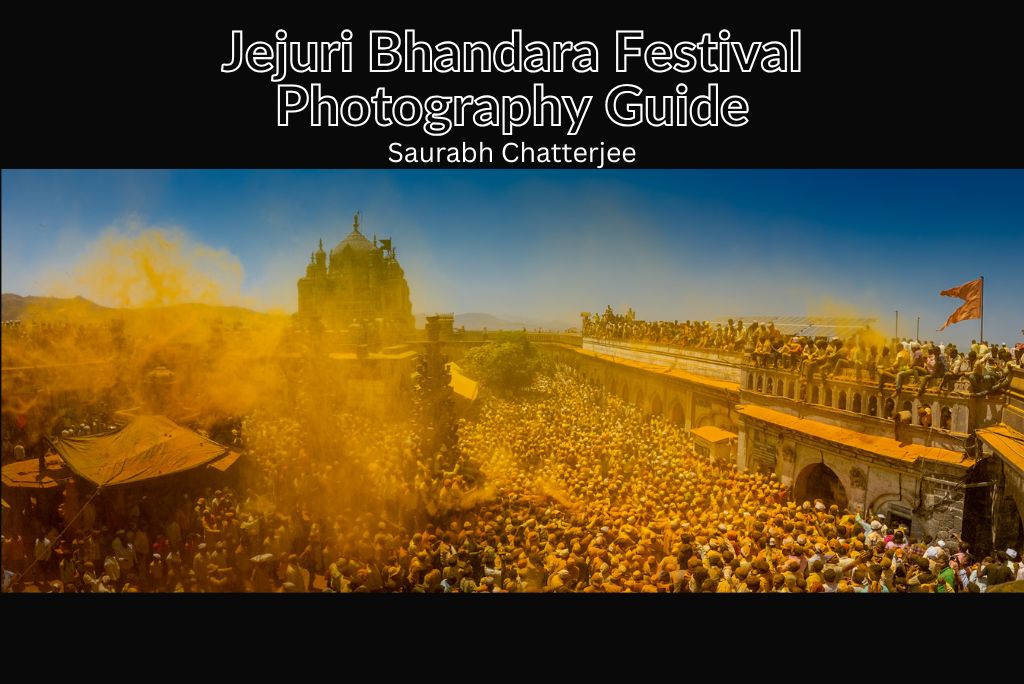
During this celebration dedicated to Khandoba, the entire temple town is engulfed in clouds of turmeric powder (bhandara)—turning everything into a surreal shade of yellow.
For visitors and photographers, this is one of the most visually dramatic and culturally intense festivals in India.
But it’s also physically demanding, chaotic, and overwhelming if you’re not prepared.
This guide will help you experience it safely, respectfully, and meaningfully.
My Yellow Bhandara Festival Khandoba Jejuri Maharashtra Pictures
See my pictures of Yellow Bhandara Festival Khandoba Jejuri Maharashtra in better resolution here .
What is the Jejuri Bhandara Festival?
The festival is centered around devotion to Lord Khandoba, a regional deity worshipped widely across Maharashtra.
Devotees:
- Climb hundreds of steps to reach the hilltop temple
- Offer turmeric (bhandara) as a sacred symbol
- Chant and celebrate in large groups
At peak moments, turmeric is thrown into the air, creating:
- Thick yellow clouds
- Golden light diffusion
- A dreamlike visual atmosphere
This is not staged.
It is pure, collective devotion expressed through color and ritual.
Best Time to Visit (Very Important)
📅 Key Festival Days
The biggest celebrations happen during:
- Champa Shashti (Nov–Dec)
- Somvati Amavasya (multiple times a year)
🕒 Best Time of Day
🌅 Early Morning (BEST)
- Softer light
- Good time to shoot pilgrims on the way to the top
- Easier movement
🌇 Midday (Peak Intensity)
- When the palki comes out, maximum turmeric in the air
- High energy, but very crowded
- Physically demanding
⚠️ Avoid Late Entry
Once crowds build up:
- Movement becomes slow
- Access becomes difficult
- Take your position before the palki starts
How to Reach Jejuri
Nearest city:
- Pune (~50 km)
Options:
- Taxi (most convenient)
- Train to Jejuri station
- Bus from Pune
From the base, you must climb 200+ steps to reach the temple.
What You Will Experience
This is sensory immersion at its peak:
- Yellow powder covering people, walls, and sky
- Devotees chanting and celebrating
- Steps filled with movement and energy
- Light filtering through turmeric clouds
Within minutes, you will be:
- Covered in yellow
- Breathing turmeric dust
- Part of the experience—not just observing it
Practical Visitor Guide (Essential)
✔️ Do’s
- Protect your camera with a polythene bag
- Wear old clothes (they will turn permanently yellow)
- Carry a scarf or mask (for breathing protection)
- Use protective eyewear if sensitive
- Keep your belongings minimal
- Stay hydrated
❌ Don’ts
- Don’t wear lenses (turmeric dust is harsh)
- Don’t push in crowded stairways
- Don’t disrespect rituals or devotees
🧴 Health & Safety Tips
- Turmeric powder can irritate eyes and lungs
- Avoid touching your face frequently
- Wash thoroughly after the visit
🚻 Facilities
- Basic facilities available near base
- Limited options near temple
What Most Visitors Don’t Realize
1. It’s Extremely Intense
This is not a casual festival—you will be fully immersed.
2. Visibility Can Drop
Turmeric clouds can make it difficult to see clearly.
3. Equipment Gets Covered Instantly
Everything turns yellow—no exceptions.
Photography Guide for Jejuri Bhandara Festival
This is one of the most photogenic festivals in India, but also one of the most challenging.
Why This Festival is Unique for Photography
You get:
- Natural color dominance (yellow tones)
- Diffused light through powder
- High-energy human interactions
- Dramatic atmosphere
But it comes with serious challenges.
📷 What to Focus On
1. Human Expressions
- Devotion, joy, intensity
- Faces covered in turmeric
2. Layers of Color
- People emerging from yellow clouds
- Silhouettes in dust
3. Ritual Moments
- Throwing turmeric
- Offerings and chants
🎯 Composition Tips
- Shoot into the light for dramatic haze
- Use backlighting for glowing dust
- Frame subjects within clouds
- Look for minimal compositions amidst chaos
⚙️ Gear Protection (CRITICAL)
- Use rain/dust covers
- Carry microfiber cloth
- Use UV filter to protect lens
- Avoid changing lenses
- Use hood
👉 Turmeric dust can damage gear—be prepared. I had to get my camera serviced because of the turmeric dust.
🎒 Gear Recommendations
- One camera body
- One versatile lens (24–70mm ideal)
- Minimal accessories
💡 Light Strategy
- Early morning → soft and balanced
- Midday → harsh but dramatic
- Use dust as a creative element
⚠️ Ground Reality
- You will lose control over conditions
- People will bump into you
- Frames will be unpredictable
So:
👉 Adapt quickly
👉 Anticipate moments
👉 Embrace imperfection
Ethical Photography (Important)
- Don’t interrupt rituals
- Don’t block devotees
- Avoid intrusive close-ups
- Respect personal space
Remember:
You are documenting devotion, not directing it.
Pro Tips (From Experience)
- Stay at one spot and observe patterns
- Shoot bursts during peak action
- Step back occasionally—wide shots can be powerful
- Clean your lens frequently
The best images come from clarity within chaos.
Final Thoughts
The Jejuri Bhandara festival is not just visually striking—it is physically and emotionally immersive.
It challenges you:
- As a visitor
- As a photographer
But if you approach it with preparation and respect, it offers one of the most unique documentary opportunities in India.
This is not just a festival you photograph.
It’s one you step into—and become a part of.
---
If you want to photograph festivals like this with deeper understanding and guidance:
- Join my festival photography experiences in India
- Or get in touch for guided documentary photography sessions
Thanks to all my participants of my Photography Tours in India
Tips for photographers
Common Mistakes Photographers Make
- Carrying too much gear
- Ignoring protection for equipment
- Shooting only wide chaotic frames
- Not preparing for physical conditions
Thanksgiving
Thanks to all the participants of my previous photography tours.All rights reserved. No copying without permission of the author Saurabh Chatterjee